The New Workflow Management Risk Businesses Aren’t Talking About: Fragile Operational Infrastructure
Across the United States, leaders are waking up to a sobering reality. The biggest threat to their growth isn’t a new competitor. It’s brittle back-end operations.
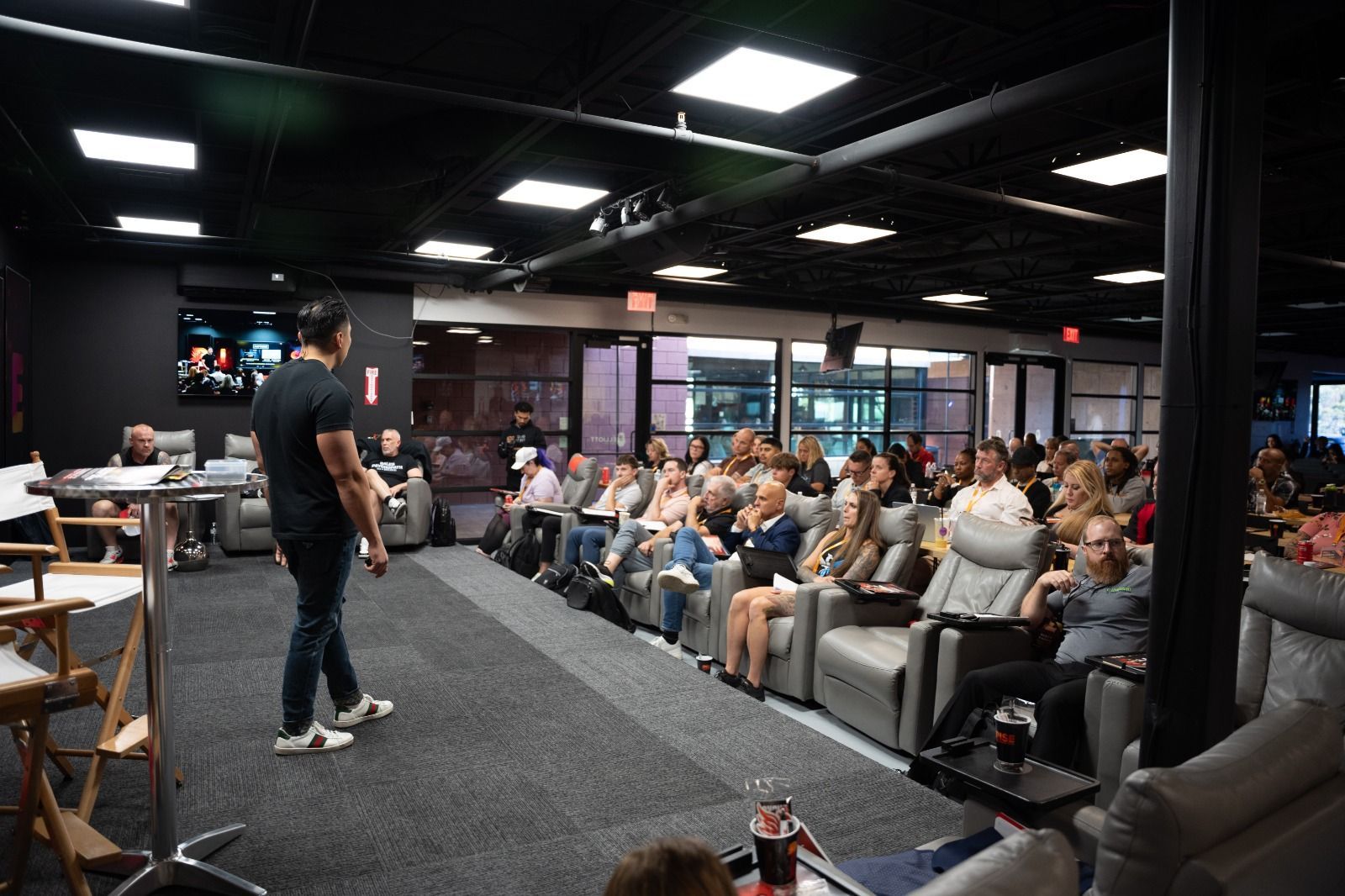
“We’ve digitized the front door of business with online sales and social media, but too many teams are still stitching together fragile systems behind the scenes,” observes Clinton Oh, founder and owner of MyManager. “Tool sprawl and disconnected teams are systemic risks that compound with every new location, hire, and product line.”
This fragility is now a national business concern because it affects organizations across all industries. The service sector runs on reliable scheduling and communication. Retail and restaurants depend on access to synchronized POS and inventory. Professional services must track compliance and complex billing. When these processes and tasks live in scattered tools, small failures ripple fast.
MyManager, an all-in-one business management platform, was built by operators, for operators, in response to this exact problem. Its founder is a multi-brand franchise operator who’s juggled multiple locations and learned the hard way that businesses rarely fail from lack of effort; they fail due to a lack of systems.
The creators of MyManager say senior-level systems leadership is critical to managing risk at scale
Fragile systems show up all the time in people’s real workdays. For example, when a scheduling tool doesn’t update with time clock or payroll data, workers miss shifts or get paid late. When systems break, companies struggle with mismatched inventory and invoices that never go out. When documents are scattered across multiple systems, errors creep in and signatures get missed. Versions slip out of date, and compliance suffers. A missed follow-up with a client can cost a sale, and a double booking can ruin a day.
Managers spend hours fixing these mistakes. What’s more, they often blame their teams. Morale drops, and no one solves the real problem.
As a company grows, someone needs to own how the work flows across the whole business. This is systems leadership, and it involves mapping each step from sales to service to finance. It means monitoring how the tech supports the company’s operations. Without this role, each new location or product line adds new risks. With it, growth becomes repeatable.
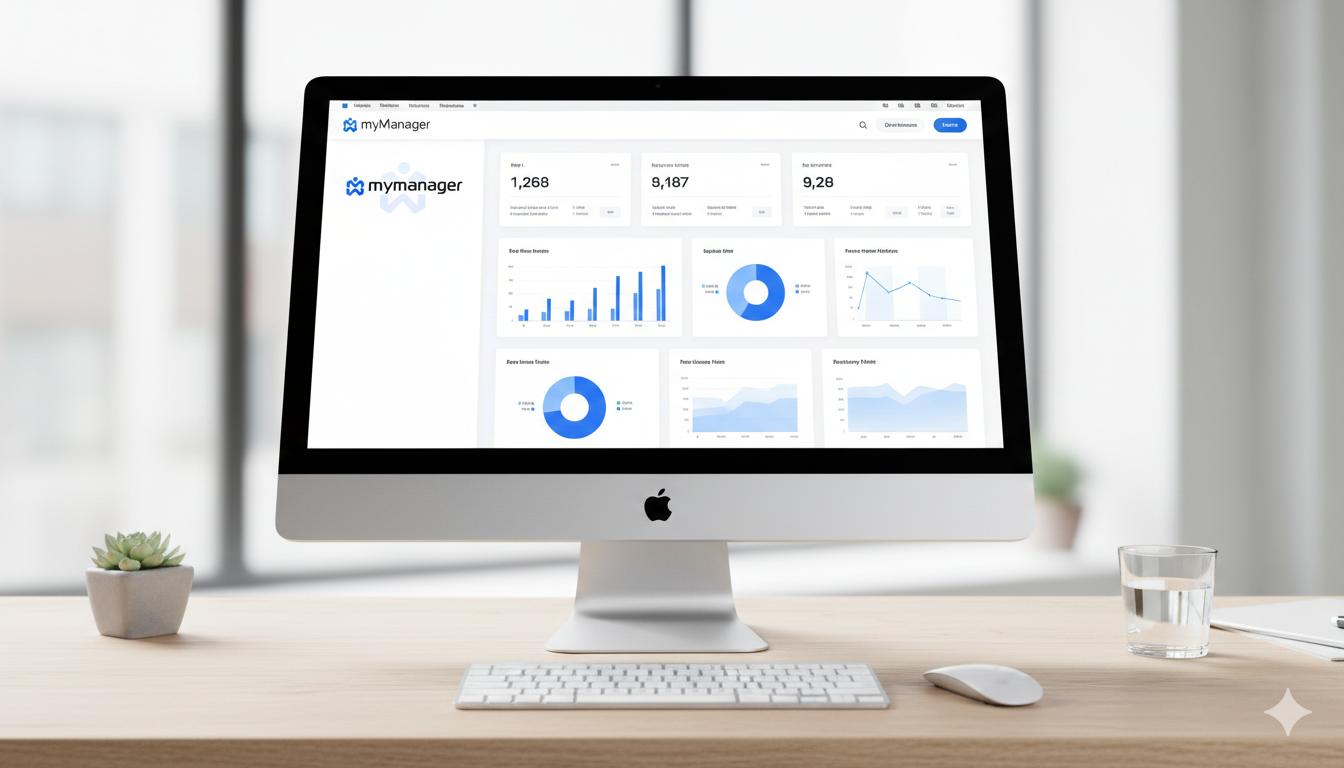
A strong systems leader uses one place to see and steer the work. MyManager can be that control center. Pipelines, timelines, calendars, campaigns, inventories, invoices, documents, and automations live in one workspace. The leader can define shared terms, clean data, standardize onboarding, scheduling, and performance reviews, set service goals, automate routine steps, provide a real-time visual of financial health, reduce vendor sprawl, and prevent failures at the seams.

MyManager’sfeatures fill the growing gap between technology adoption and leadership expertise
Many leaders adopted software faster than they adopted systems thinking, resulting in a patchwork of strong tools, none of which share context. Instead of outcomes, leaders end up managing vendors. Teams carry the burden of connecting the dots with spreadsheets and side chats.
Closing this gap takes a platform built around how real businesses run. MyManager is operator first. Every feature exists because a leader or frontline manager needed it.
The platform is also connected. CRM, POS, marketing, scheduling, memberships, employee management, finance, and documents all live together. Data flows between them without extra effort.
Above all, MyManager is simple because if managers and staff can’t use it, it won’t help. That’s also why the platform is extremely scalable. It works for one location, and it keeps working as companies grow into many.
“With this approach, leaders can set clear processes and see what’s working,” says Oh. “It keeps their operating model tight and their teams aligned. It takes the guesswork out of growth.”
How resilient operations support long-term US business competitiveness
“Strong operations help everyone,” Oh says. “Workers get clear schedules, and customers get consistent service. Owners get steady margins and the confidence to invest. Communities get stable employers who plan for the long term. This level of connectivity is good business, and it’s good for everyone.”
MyManager supports this kind of resilience. It unifies point of sale, CRM, marketing, scheduling, memberships, employee management, finance, and documents. It helps teams coordinate and reduces risk. As it makes day-to-day work smoother, it creates a steady foundation for the future.
Success isn’t a mystery; it’s a system. Fragile infrastructure is a growing management risk, and a connected, operator-first platform like MyManager is the best way to fight it.
“Build resilience now,” Oh advises. “Give your teams the tools they need, and you’ll watch them deliver and scale.”
Recent Posts